


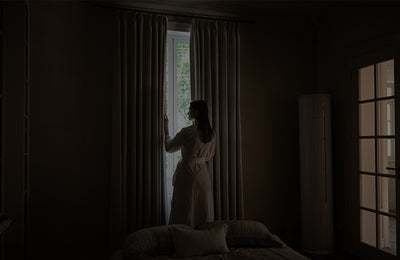


Tende oscuranti per la sala multimediale: come bloccare i riflessi senza rendere l’ambiente opprimente
Ti siedi per guardare un film, abbassi le luci, premi play e poi la noti: una striscia chiara di luce diurna attraversa lo schermo. O peggio, l'intera stanza sembra ancora grigia e slavata, anche se hai comprato tende “oscuranti”.
Ecco la realtà: in una sala multimediale, il buio dipende dalla copertura, non solo dal tessuto. Le tende oscuranti sono la scelta giusta per home theater, sale TV e stanze con proiettore, ma funzionano bene solo quando tessuto, fodera, larghezza, ampiezza e installazione lavorano insieme.
Questa guida ti aiuterà a scegliere tende oscuranti per una sala multimediale senza trasformare l'ambiente in una scatola nera e uniforme.
Consideralo un controllo delle infiltrazioni di luce per le finestre: prima di acquistare, devi capire se il problema è il tessuto, le fessure laterali, la fessura superiore, l'apertura centrale o il modo in cui la stanza riflette la luce verso lo schermo.

La risposta breve: il buio dipende dalla copertura, non solo dal tessuto
Scegli tende oscuranti per una sala multimediale se il problema sono i riflessi sullo schermo, il contrasto del proiettore, i lampioni stradali o la visione di film durante il giorno. Sono particolarmente utili nelle stanze con proiettore, nei soggiorni multifunzionali, nelle sale multimediali seminterrate e nelle stanze con TV affacciate sulla strada.
Ma non fermarti alla parola “oscurante”.
La configurazione migliore delle tende per una sala multimediale di solito richiede quattro elementi:
- Un tessuto oscurante o in grado di bloccare fortemente la luce
- Una larghezza e un'ampiezza sufficienti a coprire correttamente la finestra
- Un'installazione più alta e più larga per ridurre le infiltrazioni di luce
- Una texture o un colore che si adatti alla stanza invece di farla sembrare pesante
Prossimo passo consigliato: inizia con tende oscuranti, poi usa la guida per misurare le tende prima di scegliere la misura definitiva.
Perché le sale multimediali hanno bisogno di una strategia oscurante diversa
Una camera da letto può tollerare un po' di morbidezza ai bordi. Una sala multimediale è meno indulgente.
Quando guardi uno schermo, anche piccole quantità di luce ambientale possono creare riflessi, appiattire il contrasto e rendere più difficili da vedere le scene scure. Questo è ancora più importante nelle stanze con proiettore, dove l'immagine dipende molto dal fatto che la stanza rimanga buia.
Ecco perché le tende per una sala multimediale devono fare più che apparire accoglienti. Devono controllare:
- La luce del giorno proveniente dalla finestra
- Le fessure laterali intorno alla tenda
- La luce riflessa dalle pareti chiare o dalle superfici lucide
- La privacy notturna se la stanza si affaccia sulla strada
- L'atmosfera visiva della stanza quando lo schermo è spento
L'obiettivo non è sempre una caverna completamente buia. L'obiettivo è controllare la luce.

I 4 punti da cui filtra la luce
La maggior parte dei problemi delle tende per una sala multimediale dipende dalle fessure, non dalla parte centrale del tessuto.
Usalo come rapido controllo prima di ordinare. Se sai da dove entra la luce, puoi risolvere il problema giusto invece di comprare tessuti sempre più scuri.
1. Gli spazi laterali
Se il bastone per tende termina ai bordi del telaio della finestra, la luce può filtrare da entrambi i lati. In una sala multimediale, estendi il bastone oltre il telaio, così i pannelli possono sovrapporsi alla parete quando sono chiusi.
Inoltre, fa sembrare la finestra più ampia e consente alle tende, quando sono aperte, di raccogliersi lontano dal vetro.
2. Lo spazio superiore
La luce può filtrare anche sopra la tenda se il bastone è montato troppo in basso. Montarlo più in alto aiuta a ridurre quello spazio e rende l’intero trattamento della finestra più intenzionale.
3. Lo spazio centrale
Due pannelli che si incontrano appena al centro possono separarsi quando il tessuto si rilassa. Una maggiore pienezza dà alle tende sufficiente corpo per sovrapporsi naturalmente.
4. Lo spazio inferiore
Le tende che si fermano troppo in alto possono lasciare rimbalzare la luce sotto il pannello. Le tende a tutta altezza di solito hanno un aspetto migliore e funzionano meglio nelle sale multimediali.
Consiglio di stile: se desideri un effetto teatrale più morbido, lascia che le tende più pesanti sfiorino il pavimento invece di fermarsi sopra di esso.
Confronto rapido: tende, tende a rullo o stratificazione?
| Configurazione | Ideale per | Perché funziona | Attenzione a |
|---|---|---|---|
| Tende oscuranti | Sale TV, spazi multimediali in soggiorno | Ammorbidiscono la stanza e offrono un forte controllo della luce | Richiedono larghezza e pienezza adeguate |
| Tende a rullo oscuranti motorizzate | Sale con proiettore, ambienti moderni | Aspetto pulito e controllo della luce semplice | Possono risultare piatte senza la morbidezza del tessuto |
| Tende + tende a rullo | Finestre luminose, sale con proiettore | Migliore copertura e flessibilità | Budget più elevato e maggiore pianificazione dell’installazione |
| Tende che oscurano la stanza | Sale TV informali | Aspetto più morbido con una certa riduzione dell’abbagliamento | Potrebbero non essere abbastanza scure per i proiettori |
Per la maggior parte delle case, le tende oscuranti sono il punto di partenza più confortevole. Se la stanza ha un proiettore, riceve luce solare diretta o dispone di una finestra molto luminosa, sovrapporre le tende a una tenda a rullo oscurante può offrire un controllo maggiore.

Come scegliere il tessuto e il colore per una sala multimediale
Le tende per la sala multimediale non devono essere necessariamente nere e uniformi.
Il nero può funzionare, ma il grigio antracite intenso, il marrone caldo, il blu navy, il verde oliva, il color espresso, il grigio testurizzato o i neutri scuri fantasia possono creare un effetto più ricercato. L’obiettivo è ridurre i riflessi e l’abbagliamento senza rendere la stanza fredda.
Anche la texture del tessuto è importante. Un tessuto piatto e lucido può riflettere più luce e risultare aggressivo. Una texture intrecciata, in ciniglia, waffle, jacquard o effetto lino può rendere la stanza più accogliente e curata.
Per una sala multimediale, cerca:
- Prestazioni oscuranti o di forte blocco della luce
- Tenda più pesante o con fodera
- Tessuto frontale opaco o testurizzato
- Una pienezza sufficiente per evitare l’aspetto di un lenzuolo piatto
- Un colore che si abbini al divano, al tappeto e al colore delle pareti
Se la stanza funge anche da soggiorno, evita di scegliere pensando esclusivamente all’oscurità. Le tende devono avere un bell’aspetto anche a mezzogiorno, quando lo schermo è spento.
Collezione consigliata: tende per il soggiorno

Regole di installazione per un migliore contrasto dello schermo
Il modo in cui appendi le tende oscuranti può essere importante quasi quanto le tende stesse.
Regola 1: supera in larghezza la finestra
Per una sala multimediale, non dimensionare il sistema di tende esattamente in base al vetro. Estendi il bastone oltre il telaio, così i pannelli possono coprire le fessure laterali quando sono chiusi.
Regola 2: supera in altezza il telaio
Montare il bastone più in alto aiuta a ridurre gli spifferi di luce nella parte superiore e fa sembrare la stanza più alta. Inoltre offre al tessuto una maggiore caduta, per un risultato più raffinato.
Regola 3: usa un'ampiezza sufficiente
Le tende oscuranti piatte possono comunque lasciar filtrare la luce e apparire rigide. Un'ampiezza sufficiente aiuta i pannelli a chiudersi meglio, a sovrapporsi in modo più naturale e a ricadere con un drappeggio più morbido, simile a quello di un cinema.
Regola 4: considera la parete dello schermo
Se la finestra è accanto o dietro lo schermo, presta maggiore attenzione alla copertura. Se la finestra si trova su una parete laterale e la stanza viene usata soprattutto di notte, potresti avere più margine di flessibilità.
Prima di ordinare, consulta la guida alla misurazione delle tende. Le sale multimediali sono tra gli ambienti in cui misure “approssimative” possono creare evidenti problemi di luce.

Le scelte di THREE GIRLS per le sale multimediali
Ecco un modo semplice per restringere la scelta:
- Scegli Tende oscuranti Frankie a motivo pixel check se vuoi la funzione oscurante con un motivo materico che non risulti banale.
- Scegli Tende oscuranti Margot effetto tessitura a mano se la tua sala multimediale è minimalista e vuoi un look discreto e materico.
- Scegli Tende oscuranti Waff Waffle se vuoi una texture pesante e una tenda più consistente.
- Scegli Tende oscuranti Delphine Diamond se vuoi una tenda oscurante sartoriale con un motivo jacquard più decorativo.
- Scegli Tende Kely in ciniglia oscuranti con pieghe a pizzico se vuoi un tessuto più morbido e spesso per una sala TV accogliente.
- Scegli Tende a rullo motorizzate Annie oscuranti al 100% se stai allestendo una sala per proiettore e vuoi uno strato di schermatura essenziale dietro le tende.
Per una scelta più ampia, esplora le tende oscuranti. Se la stanza viene utilizzata anche come camera degli ospiti, confronta le tende per camera da letto per opzioni più morbide e adatte al riposo.
Errori comuni da evitare
Non dare per scontato che ogni tenda oscurante crei una stanza buia come un cinema. Il tessuto è importante, ma lo sono anche gli spazi laterali e le dimensioni.
Non acquistare pannelli troppo stretti. Le tende per sale multimediali devono avere una larghezza sufficiente per chiudersi con ricchezza di tessuto, non soltanto per incontrarsi a malapena al centro.
Non scegliere un tessuto lucido per una stanza con schermo. I tessuti opachi e testurizzati di solito si abbinano meglio a TV e proiettori.
Non aspettarti che le tende rendano la stanza insonorizzata. I tessuti più pesanti e morbidi possono contribuire ad attenuare l’eco e ridurre parte dell’asprezza acustica, ma non sono un vero sistema di insonorizzazione.
Non dimenticare lo stile diurno. Una sala multimediale fa comunque parte della tua casa quando il film è finito.
FAQ: domande sulle tende oscuranti per sale multimediali
Le tende oscuranti sono adatte alle sale multimediali?
Sì. Le tende oscuranti sono una delle scelte migliori per le sale multimediali perché riducono la luce diurna, i riflessi e i problemi di privacy notturna. Per ottenere il risultato migliore, installale più larghe e più in alto rispetto al telaio della finestra.
Quali tende sono migliori per una stanza con proiettore?
Le stanze con proiettore richiedono solitamente un forte oscuramento, un tessuto opaco, una quantità sufficiente di tessuto e il minimo possibile di fessure da cui filtra la luce. Se la finestra è molto luminosa, sovrapporre tende a rullo oscuranti dietro le tende può funzionare meglio delle sole tende.
Le tende per la sala multimediale dovrebbero essere nere?
Non sempre. Il nero può funzionare, ma il grigio antracite, il marrone, il blu navy, il verde oliva o i neutri scuri testurizzati possono ridurre i riflessi dando al contempo una sensazione più calda e curata.
Le tende oscuranti riducono i riflessi sullo schermo?
Sì, le tende oscuranti possono ridurre i riflessi causati dalla luce proveniente dalla finestra. Funzionano al meglio quando coprono gli spazi laterali e si estendono oltre il telaio della finestra.
Le tende oscuranti possono ridurre il rumore?
Possono attutire una parte dell’eco e ridurre la sensazione di rigidità dell’ambiente, soprattutto se il tessuto è spesso e ricco. Tuttavia, non dovrebbero essere descritte come vere tende fonoassorbenti.
Le tende oscuranti sono migliori delle tende a rullo per una sala multimediale?
Dipende dalla stanza. Le tende oscuranti aggiungono morbidezza e calore all’ambiente. Le tende a rullo oscuranti possono creare un aspetto più essenziale e una copertura più aderente della finestra. Per le stanze con proiettore, utilizzare entrambe può essere l’opzione migliore.
Considerazione finale
Per una sala multimediale, le migliori tende oscuranti non sono semplicemente quelle realizzate con il tessuto più scuro che riesci a trovare. Sono tende che coprono correttamente la finestra, riducono i riflessi, ricadono con un’adeguata ricchezza di tessuto e fanno comunque sembrare la stanza un luogo in cui desideri trascorrere del tempo.
Inizia con tende oscuranti, misura più in larghezza e in altezza rispetto al telaio e scegli un tessuto che valorizzi sia lo schermo sia l’ambiente.
Lascia un commento
Tutti i commenti sono moderati prima della pubblicazione.