


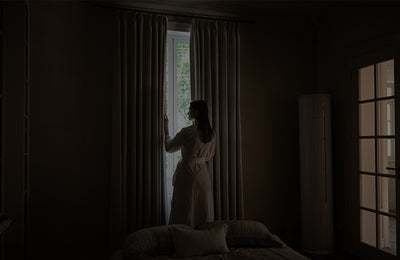


5 consigli essenziali per scegliere una tenda a rullo intrecciata senza tempo

Negli ultimi anni, i materiali naturali sono tornati alla ribalta come importante tendenza dell’interior design in Europa e in America.
Dall’«Organic Modern» al «Japandi», dal «Coastal Living» al «Wabi-Sabi», le persone scelgono sempre più materiali che conservano la loro texture naturale e la patina acquisita con il tempo.
Rispetto alle persiane veneziane in plastica e ai tessuti per tende, le tende a rullo intrecciate offrono un’illuminazione più morbida, riducono la separazione tra gli ambienti e creano un’atmosfera rilassata.
Le tende a rullo intrecciate di autentica alta qualità non sono semplici schermature per finestre, ma elementi naturali per la casa che accompagnano uno spazio per anni, rivelando continuamente fascini diversi al mutare della luce e delle ombre.
Tuttavia, la differenza di qualità tra le diverse tende a rullo intrecciate è molto maggiore di quanto si possa immaginare. Oltre al colore, ogni dettaglio nascosto nei materiali, nella lavorazione e nelle finiture determina se una tenda a rullo intrecciata trasmetterà una sensazione di pregio e resisterà alla prova del tempo.
Di seguito trovi i cinque dettagli più importanti da considerare quando scegli tende a rullo intrecciate naturali.
Consiglio 1: Inizia da fibre naturali di alta qualità


La qualità più affascinante delle tende a rullo intrecciate naturali risiede nella texture unica e nella sensazione tattile delle fibre naturali.
Le tende a rullo intrecciate di alta qualità sono generalmente realizzate con materiali naturali come bambù e juta. Materiali diversi vantano texture, colori ed effetti di filtraggio della luce distinti, creando nel complesso stratificazioni naturali uniche.
Con il passare del tempo, le fibre naturali sviluppano sottili irregolarità: è proprio questa la qualità più preziosa dei materiali naturali. Anche con tonalità cromatiche simili, è quasi impossibile trovare due tende a rullo intrecciate identiche.
Al contrario, sebbene i materiali compositi di bassa qualità o le fibre sintetiche possano produrre un aspetto uniforme, spesso non hanno il calore tattile dei materiali naturali e tendono maggiormente a perdere il loro carattere originario nel tempo.
Consiglio 2: La lavorazione a mano dona a ogni tenda a rullo intrecciata una texture unica

Quando la luce attraversa le fibre naturali, la differenza tra una struttura intrecciata a mano e una realizzata a macchina diventa evidente.
La produzione meccanica mira a una perfetta uniformità, mentre la tessitura a mano enfatizza equilibrio e ritmo in ogni intreccio. Gli artigiani regolano la densità e la tensione della tessitura in base alle caratteristiche delle diverse fibre naturali, permettendo alla superficie della tenda di mostrare variazioni materiche più naturali.
Per questo motivo, ogni tenda a rullo intrecciata a mano presenta dettagli distintivi propri: non esistono due pezzi esattamente uguali.
È proprio questa sottile variazione naturale il motivo per cui l’interior design di alta gamma predilige costantemente i materiali naturali.
Consiglio 3: Una bordatura accurata determina quanto a lungo durerà una tenda a rullo in bambù

Nella foto: Collezione Loom Handwoven - Grass Beige L09
La durabilità di una tenda a rullo intrecciata risiede spesso in dettagli facilmente trascurabili.
Senza un trattamento di rinforzo dei bordi, il sollevamento e l’abbassamento quotidiani causerebbero inevitabilmente, nel tempo, sfilacciamenti, deformazioni o usura.
Pertanto, sempre più tende in bambù di alta gamma adottano una raffinata lavorazione di bordatura per rinforzare meticolosamente i bordi, creando una struttura complessiva più stabile e linee più pulite e definite. Sono questi dettagli a determinare se una tenda in bambù rimarrà in condizioni eccellenti anche dopo molti anni.
Suggerimento 4: le opzioni con fodera oscurante bilanciano la bellezza traslucida con l’isolamento termico e il controllo della luce

Nella foto: Collezione Loom Handwoven-Linen L04
La caratteristica più distintiva delle tende a intreccio naturali è la luce morbida e filtrata che si crea quando i raggi del sole attraversano l’intreccio del tessuto. Tuttavia, gli intrecci aperti classici sono generalmente più adatti ad ambienti come soggiorni, sale da pranzo o angoli lettura. Negli ambienti in cui è necessario un maggiore controllo della luce, come camere da letto o stanze esposte a ovest, le tende a intreccio a strato singolo potrebbero non essere sufficienti.
A differenza dei rivestimenti per finestre pronti all’uso, realizzati in misure standard, le tende a intreccio su misura possono essere dotate di una fodera per la privacy o di una fodera oscurante, per soddisfare le esigenze specifiche dello spazio.
Durante il giorno, si noteranno la sensazione calda e la luce soffusa tipiche delle fibre naturali; utilizzata di notte o durante le ore di sonno, la fodera migliora l’oscuramento e l’isolamento.
In questo modo, questo design, che bilancia qualità estetica e funzionalità, trasforma le tende a intreccio da semplici rivestimenti ornamentali per finestre in soluzioni di design utili per vari ambienti, comprese camere da letto e camerette.
Suggerimento 5: texture diverse degli intrecci definiscono atmosfere spaziali distinte

Non è solo il colore a influenzare davvero lo stile di uno spazio.
Fibre e strutture a intreccio diverse producono qualità della luce e livelli di texture differenti.
Mentre alcune tende presentano una struttura a intreccio adatta agli interni moderni e minimalisti, altre sono più materiche e si abbinano agli stili d’interni Coastal, Rustico e Moderno Organico.
Esistono anche tende a intreccio aperto che creano un’atmosfera rilassata, da vacanza. Pertanto, la scelta di tende di questo tipo non dovrebbe essere considerata soltanto come la selezione di un prodotto per l’ombreggiatura, ma anche in relazione al design degli interni.
Conclusione
Il fascino principale delle tende a intreccio di alta qualità risiede nella texture autentica dei materiali naturali, nei loro intrecci unici e in design che bilanciano bellezza e funzionalità.
Quando i materiali sono sufficientemente naturali, la lavorazione è sufficientemente meticolosa e i dettagli sono in grado di resistere alla prova del tempo, una tenda a intreccio sviluppa con l’età un fascino ancora più caldo e ricco di patina. Ecco perché sempre più famiglie europee e americane scelgono tende a intreccio naturali. Non si limitano a vestire le finestre, ma favoriscono uno stile di vita naturale, rilassato e senza tempo.
Lascia un commento
Tutti i commenti sono moderati prima della pubblicazione.