












How to Choose Nursery Curtains: A Guide to Sleep, Safety, and Style That Lasts
Introduction
Preparing a nursery is one of life's sweetest experiences. Everything from choosing the crib to organizing tiny clothes, and every decision feels like a step in the nesting ritual. But parents, when deciding on curtains, usually don't give them that much importance.

The best nursery curtains do three things:
1. Create darkness so that naps and nighttime sleep aren’t disrupted.
2. Ensure safety, protecting sensitive lungs and avoiding hazards.
3. Grow with your child, staying stylish and practical long after the baby stage.
This guide will walk you through each priority, showing how to choose curtains that aren’t just pretty for Pinterest but truly functional for your child’s health, sleep, and long‑term comfort.
Priority #1: The “Sleep Sanctuary” (Functionality)
Sleep is the main concern when planning for a nursery. A baby’s life is based on routine, and a suitable environment is crucial. Invisible to most parents, the role of curtains is greater than they think. Apart from blocking light, curtains also help regulate natural body rhythms.
The Non‑Negotiable: Blackout Lining
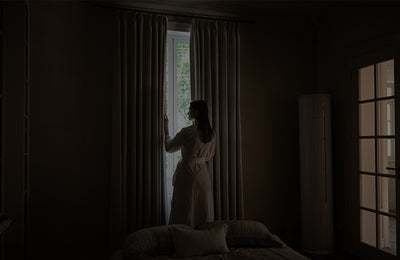
Direct sunlight through thin fabric can wake a baby or confuse his/her biological clock. A proper blackout lining provides the darkness needed for sleep at any time of the day. Essentially, you’re drawing a gentle curtain over the outside world and signaling to your child’s body that it’s time to rest.
Fabric Choice: Heavier Materials for Quiet Comfort
Noise matters too. Heavier fabrics like lined linen or cotton dampen street sounds, creating a womb‑like atmosphere that feels safe and cocooned. Parents often describe the difference as “instant calm.” And why? The room shifts from stimulating to soothing the moment the curtains are drawn.
For more details on how blackout fabrics work, see our Blackout Curtain Guide.
Priority #2: Safety & Health (The “Peace of Mind” Factor)
When it comes to a nursery, safety isn’t optional; it’s the foundation. No detail is too insignificant for parents to worry about when it comes to their child's well‑being. This is also true for curtains.
Cordless is King
Blinds with dangling cords pose a strangulation hazard, which is why curtains hung on a simple rod are the safest choice. No cords, no risks, just fabric that moves freely and safely.
The Air Quality Factor (USP)
Babies breathe faster than adults, which makes their respiratory systems more sensitive to irritants. Cheap synthetic curtains often arrive with a strong “factory smell” from chemical sizing or treatments. That odor isn’t just unpleasant; it can trigger discomfort for newborns and toddlers.
At threegirls, we take a different approach. Every curtain is pre‑washed and dried before shipping, so they arrive odorless, chemical‑free, and safe for even the most sensitive noses. Imagine walking into a nursery that smells like fresh laundry instead of a warehouse; that’s the peace of mind our process delivers. It’s a quiet kind of care, the same way a parent might air out a blanket before wrapping their child in it.
Priority #3: Style Strategy—Why “Simple” is Smarter
Nurseries are naturally busy spaces. Between toys, books, patterned rugs, and colorful bedding, there’s already plenty of visual stimulation. Adding cartoon curtains on top of that often tips the room into chaos.
The “Visual Anchor” Theory
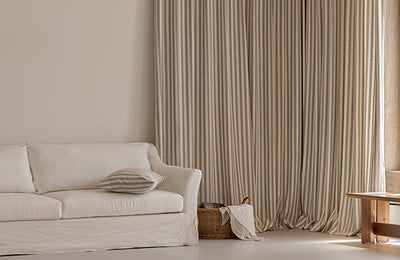
Think of curtains as the grounding element in the room, the calm backdrop that lets everything else shine. Solid, textured fabrics act like the steady rhythm in a song: they balance the playful notes of toys and accessories, creating harmony instead of noise.
Trending Styles Parents Love
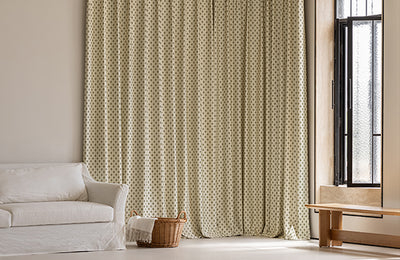
● The Gender Neutral Look: Earthy tones like sage, terracotta, and beige paired with natural textures such as linen. These shades feel modern and grow with your child.
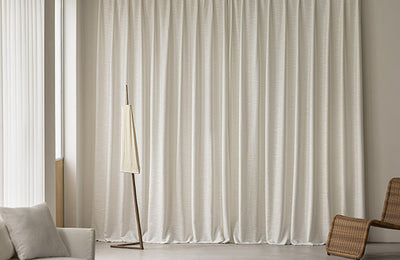
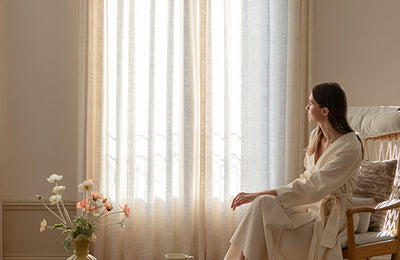
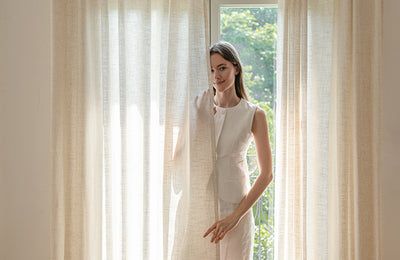
● The Soft Scandi Look: Warm whites and textured cottons that bring a clean, airy vibe. Perfect for parents who want a minimalist yet cozy nursery.
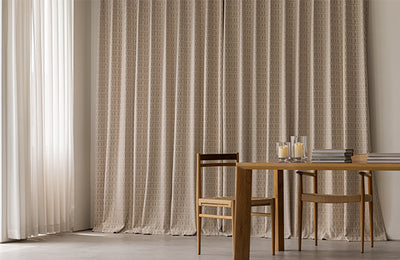
● The Boho Baby Look: Tassels, woven textures, or subtle fringe details add personality without overwhelming the space. Chenille Blackout Pinch Pleated Curtains
For more inspiration, see our guide to Boho Curtain Ideas or explore our Neutral Curtains collection.
Priority #4: The “Grow‑With‑Me” Test
Nursery curtains shouldn’t feel like a short‑term purchase. The truth is, cartoon prints and themed fabrics often have a two‑year lifespan, and once your child outgrows the characters, the curtains feel dated and need replacing.
The Concept: Think Beyond the Baby Stage
Ask yourself: Will my child still love this when they’re five? Or ten? High-quality solid curtains are able to achieve just that. They adapt as your child matures, shifting from nursery to toddler room to teenager's retreat without ever seeming out of place.
The Smart Investment
Instead of purchasing cheap curtains that have to be changed regularly, why not spend your money on linen or cotton panels that are made of good quality and are durable? They can be washed, are pre-shrunk, and are designed with durability in mind. Accessories like pillows, rugs, or wall art can change with your child's tastes, but the curtains will stay the timeless anchor.

Consider them as “foundation pieces” in a wardrobe—the well‑made jeans or classic blazer that you style differently over the years. Curtains should work the same way: versatile, reliable, and always in fashion.
Frequently Asked Questions (FAQ)
Should nursery curtains touch the floor?
For safety, once your baby starts crawling, avoid puddling fabric that they can tug or trip over. The safest choice is a “hover” or “kiss” length. These are curtains that just graze the floor without pooling. For more guidance, see our Curtain Length Guide.
Are linen curtains easy to clean?
Yes. Linen and cotton are naturally durable, and ours are even easier to maintain because they’re pre‑shrunk. That means you can wash them without worrying about uneven hems or shrinking panels. For step‑by‑step care, see our Washing Guide.
Do blackout curtains really help babies sleep?
Absolutely. Blackout lining blocks daylight and streetlight, helping regulate circadian rhythms and making naps more consistent. Parents often describe the difference as “night and day.” For deeper insights, check our Blackout Curtain Guide.
Conclusion: Building a Foundation for Dreams
The process of picking out nursery curtains is not solely about the beautification of the room, but it is fundamentally contributing to the formation of your child's environment where they will relax, develop, and feel safe. Proper panels make the room dark enough for a healthy sleep cycle, keep the air fresh with fabrics that are hypoallergenic, and offer a timeless style that adapts as your child grows.
At threegirls, we are convinced that these tiny details are very important. As a result, each curtain is pre-washed and dried before sewing to make sure they are odor-free, chemical-free, and safe for sensitive little noses once they are delivered. It is the kind of considerate preparation that is not visible at first, but it is what makes all the difference—just like if you were smoothing the sheets before tucking a child in or giving a blanket an airing so it smells fresh and familiar.
Your nursery is worth that amount of attention. Curtains are not only pieces of cloth; they are the backdrop for bedtime stories, morning laughs, and years of growing up.
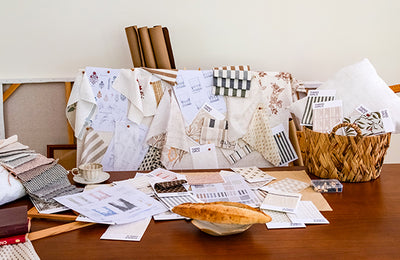
Feeling ready to create a safe, calm, and trendy room for your child? Why not begin by choosing the best blackout fabric? Order free swatches at your convenience to test the softness and darkness of the fabric at home and see how your nursery can be made into a real sleep sanctuary.
Leave a comment
All comments are moderated before being published.