


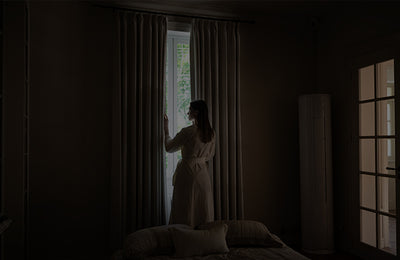


Curtain Track vs. Curtain Rod: Which One Is Right for Your Home?
When preparing your home interior design, most people focus on curtain fabrics, colors, and light-blocking performance, while often overlooking the core element that supports the entire curtain system — the hanging system (curtain tracks and curtain rods).
Many homeowners only discover problems after moving in:
“Why do my curtains feel stiff and difficult to open?”
“Why do the rollers get stuck or come off the track?”
“Why do my supposedly blackout curtains still allow light to leak from the top and sides?”
In reality, many of these issues come from choosing the wrong curtain track or rod, or failing to plan the installation dimensions properly.
Today, THREE GIRLS will take an in-depth look at these two major curtain hanging systems, including their types, advantages and disadvantages, required installation space, and ideal applications — helping you create a curtain system that combines beautiful design with an excellent user experience.
Understanding the Two Main Curtain Hanging Systems
Before deciding which option is right for your home, it's helpful to understand how each system works.

1. Curtain Tracks
Curtain tracks are designed for a clean, minimalist appearance and exceptionally smooth operation. Curtains are attached to gliders using curtain hooks, allowing them to slide effortlessly inside the track.
Standard Aluminum Curtain Tracks
The most common rigid track on the market. Made from durable aluminum alloy, these heavy-duty tracks offer excellent load capacity, smooth movement, and quiet operation, making them ideal for large living rooms and heavy curtains.
Motorized Curtain Tracks
Motorized tracks feature built-in motors and belt-driven systems that can be operated by remote control, voice assistants, or smart home systems. They're an excellent choice for extra-high ceilings, large picture windows, or modern smart homes.

2. Curtain Rods
Curtain rods are designed to be visible decorative elements rather than hidden hardware. The rod itself becomes part of your interior décor, often finished with stylish decorative finials at each end.
Grommet Top Curtains
Metal grommets are built directly into the curtain header and slide along the rod. They create soft, even folds but typically require removing the entire rod when taking the curtains down for cleaning.
Ring-Top Curtain Rods
Curtain rings slide along the rod while the curtain is attached using hooks or clips. This style usually glides more smoothly than grommet curtains and makes curtain removal slightly easier.
5 Key Differences Between Curtain Tracks and Curtain Rods
1. Style and Visual Impact
Curtain Tracks: Sleek and Seamless
When concealed inside a ceiling recess or curtain box, curtain tracks remain completely hidden. This creates the illusion that the curtains flow directly from the ceiling to the floor, making the room appear taller and more spacious.
Curtain Rods: Decorative and Timeless
Unlike tracks, curtain rods remain visible after installation. Whether finished in wood or metal, the rod and decorative finials add texture and architectural interest to the space.
2. Blackout Performance and Light Leakage
Curtain Tracks: Better Blackout Performance
Tracks can be installed directly against the ceiling or concealed inside a curtain box, minimizing gaps and significantly reducing light leakage from above.
Curtain Rods: More Light Gaps
Curtain rods require mounting brackets, which typically leave 2–5 inches of space between the rod and the ceiling. Grommet curtains also naturally create small openings above the fabric, allowing more light to enter. This may not be ideal for people who are highly sensitive to light, especially in bedrooms.
3. Smooth Operation and Noise
Curtain Tracks: Quiet and Effortless
High-quality curtain tracks feature precision rollers and noise-reducing designs. Even heavy blackout curtains glide smoothly with minimal effort and virtually no noise.
Curtain Rods: More Friction During Operation
Whether using curtain rings or grommets, the movement depends on direct contact with the rod. As a result, curtain rods generally create more friction and may produce a light clicking sound when opening and closing.
4. Installation Requirements
Curtain Box Dimensions for Curtain Tracks
Single Track (One Curtain Layer)
Recommended curtain box width: (4–5 inches)
Double Track (Sheer + Drapery)
Recommended curtain box width: (6–8 inches) to ensure both layers move smoothly without rubbing together.
Motorized Double Track
Recommended width: (8–10 inches) to provide enough room for the motor and drive belt.
Wall Clearance for Curtain Rods
Leave at least 15–20 cm (6–8 inches) of wall space above the window frame for mounting brackets. This ensures the rod is securely supported and can safely carry the weight of the curtains.
5. Ease of Cleaning and Maintenance
Curtain Tracks
Curtains attached with adjustable curtain hooks can be removed simply by lifting the hooks off the gliders. The pleats remain intact, making routine cleaning much easier.
Curtain Rods
With grommet curtains, the entire curtain rod usually needs to be removed before the curtains can be taken down. The process is more time-consuming, especially when working with long or heavy rods.
Which One Should You Choose?
The right choice depends on your home's construction, interior style, and functional needs.
Curtain Tracks Are Recommended If:
- Your home already has a ceiling recess or curtain box.
- You need maximum blackout performance in bedrooms or media rooms.
- You're using heavy curtain fabrics and want smoother operation with better weight capacity.

Curtain Rods Are Recommended If:
- Your home doesn't have a curtain box or recessed ceiling.
- You want the curtain hardware itself to become a decorative feature.
- Your windows are standard straight windows with sufficient wall space around them.

Thoughtful Planning Creates Better Window Treatments
Curtain installation may seem straightforward, but many important details should be considered before making a decision. The type of hanging system, installation height, available mounting space, and weight capacity all affect the final appearance and everyday performance of your curtains.
Whenever possible, plan your curtain hanging system during the early stages of your renovation. Proper planning helps avoid installation limitations, unwanted light leakage, and poor curtain operation while ensuring your window treatments complement the overall design of your home.
Every home is different, and no single hanging system is perfect for every situation. By understanding the strengths of both curtain tracks and curtain rods and choosing the option that best fits your space and lifestyle, you'll enjoy window treatments that are not only beautiful but also durable, functional, and easy to use.
We hope this guide gives you the confidence to choose the right curtain hanging system and create a window space that combines style, comfort, and lasting performance.
Leave a comment
All comments are moderated before being published.